Tuesday, March 15, 2016

When do People Need to Undergo Dentoalveolar Surgery?

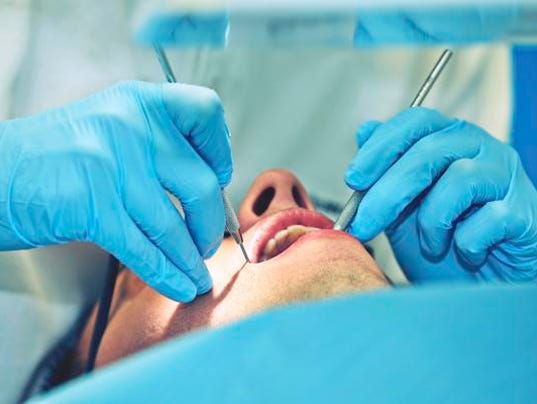
Dentoalveolar surgery involves the treating of diseases of teeth, soft tissue, and the jawbone. The most common dentoalveolar surgery is the extraction of decaying teeth. But apart from extraction, other procedures under this definition include biopsy and lesion removal, treatment of infections in the mouth, and the addition, removal, or reshaping of hard and soft tissue on the jawbone.


So is dentoalveolar surgery necessary?


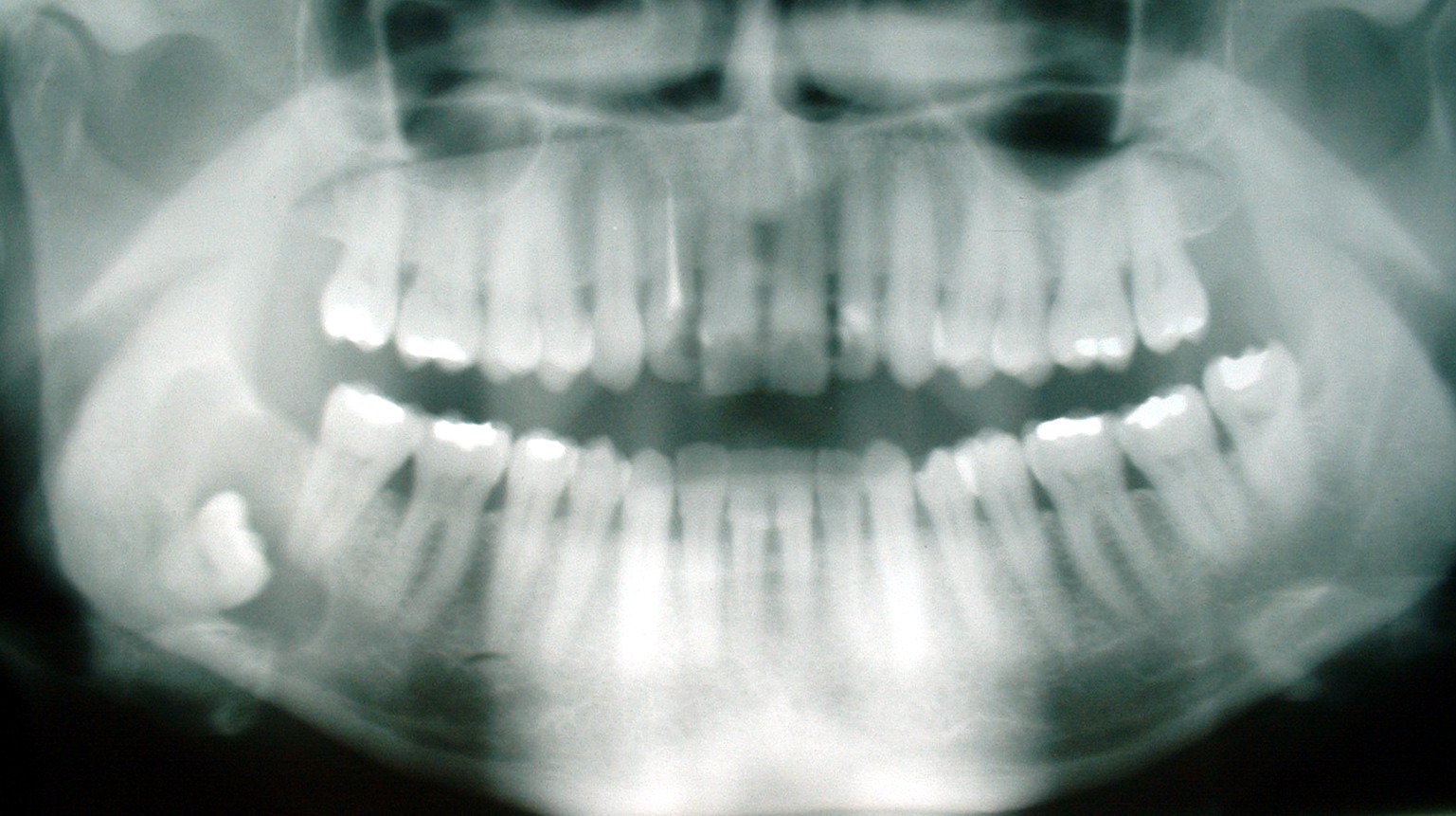
When teeth are decaying and cannot be saved, extraction is needed. However, there are times when a simple extraction may not be enough. When teeth in the immediate area of the target tooth have crowns or large fillings, or when there is a dentoalveolar nerve near the tooth, a more complex surgical procedure is needed. Sometimes people have roots that go deep into the jaw, or they have unerupted or impacted teeth or even teeth that are fused to the jaw. These instances also require more complex surgery.

Image source: for.org
Dentists also perform dentoalveolar surgery when they find benign cysts or growths on the jaw that they need to remove. They also perform the procedure when they discover supernumerary or extra teeth and malformation. Any additional bone growth requires dentoalveolar surgery.


There are also some cases when a tooth is knocked out that dentoalveolar surgery is performed on impacted teeth to replace the tooth that was knocked out.

Image source: wallpaperlayer.com
Domenick Coletti, DDS specializes in several dental surgery procedures, including dentoalveolar surgery. To know more about Dr. Coletti, visit this Facebook page.

Wednesday, February 3, 2016

Goodbye, Tiny Black Holes: Promoting Good Dental Hygiene in Young Children

A lot of parents find it hard to gauge when dental care is needed for their children. They are aware that cavities must be prevented, but they do not know the best way to avoid them
Oral hygiene must start before a child gets their first set of teeth. Here are some ways parents can promote healthy dental habits in young children.

Image source: wisegeek.com

  • Even before the child’s teeth appear, run a clean, damp cloth over the gums to cleanse the mouth of bacteria.
  • When the child has two teeth that touch, parents can begin flossing them.
  • Avoid the “baby bottle decay.” Do not train the child to fall asleep with a bottle of milk or juice stuck in their mouth. As much as possible, parents should not let their children become “suck dependent,” unless it is for water or breast milk.
  • Have the child drink a glass of water after consuming sweets.
  • Patiently train the child to brush, floss, and rinse their teeth and mouth. 
  • Let the child grow up without fear of the dentist by starting visits early.
Image source: wisegeek.com

Say goodbye to tooth decay with a beaming smile. Domenick Coletti, DDS, M.D., is an accomplished oral and maxillofacial surgeon based in Maryland. Visit this website to know more about his practice.

Thursday, January 14, 2016

Conditions and Diseases that may Require Oral and Maxillofacial Surgery


Image source: telegraph.co.uk
An internationally recognized surgical specialty, oral and maxillofacial surgery (OMS) includes the diagnosis, surgical and related treatments of many diseases, injuries, defects, and aesthetic problems involving the head, neck, mouth, face, teeth, and jaws. Specialists in this field provide care options to patients experiencing such conditions as impacted wisdom teeth, facial pain, and misaligned jaws. They also offer reconstructive and dental implants, treat accident victims suffering facial injuries, and perform specific procedures for patients with tumors, cysts, and developmental craniofacial abnormalities.


The scope of OMS is wide and extensive. Specifically, it covers the following diseases or injuries, among other conditions:


  • Dental implant surgery and associated bone grafting
  • Dentofacial deformities
  • Bone augmentation
  • Oral and dentoalveolar surgery (removal of impacted teeth, cysts, etc.)
  • Congenital craniofacial deformities
  • Facial plastic surgery (rhinoplasty, rhytidectomy, blepharoplasty, etc.)
  • Snoring and sleep apnea correction surgery
  • Tumor or cancer surgery
  • Facial trauma surgery (facial bone fractures and related soft tissue injuries)
  • Reconstructive surgery of the face
  • Cleft lip and palate surgery
  • Temporomandibular Joint Disorder (TMJD)

Oral and maxillofacial surgeons do not work alone and often seek the advice, assistance, and even surgical support of other specialists such as dentists, orthodontists, pathologists, oncologists, prosthodontists, neurosurgeons, plastic surgeons, radiologists, ENT surgeons, and other medical professionals.
Image source: wisegeek.com


Domenick Coletti, DDS, M.D., is certified by the American Board of Oral and Maxillofacial Surgeons. His practice at Central Maryland Oral and Maxillofacial Surgery, P.A. includes performing dental implants, removing impacted wisdom teeth, treating facial trauma, and administering corrective jaw surgery. For more articles on oral health, click here.


Monday, January 4, 2016

Oral Bacteria Linked to Esophageal Cancer

People who are infected with Porphyromonas gingivalis (P. gingivalis), a group of bacteria responsible for various gum diseases, are at higher risk for acquiring esophageal cancer. The esophagus is a muscular tube that connects the throat with the stomach.

http://www.scientificamerican.com/sciam/cache/file/8869C11A-9DD0-46C0-BE83DC50921CFF03_agenda.jpg?w=600&h=335
Image source: www.scientificamerican.com


The correlation between P. gingivalis and esophageal cancer was made after a group of researchers from the University of Louisville (UofL) School of Dentistry found that 61 percent of patients with esophageal cancer were carriers of P. gingivalis.

"These findings provide the first direct evidence that P. gingivalis infection could be a novel risk factor for esophageal squamous cell carcinoma (ESCC), and may also serve as a prognostic biomarker for this type of cancer," revealed Dr. Huizhi Wang, assistant professor of oral immunology and infectious diseases at the UofL School of Dentistry.

Dr. Wang stated that their data, if confirmed, shows that the “eradication of a common oral pathogen may contribute to a reduction in the significant number of people suffering with ESCC.”

Using tissue samples from 100 patients with ESCC and 30 normal controls, the researchers measured the presence of the oral bacteria in the esophageal tissues of their subjects. At the end of their study, they found that bacterial count of P. gingivalis is higher among ESCC patients. The presence of these bacteria, they hypothesized, “facilitates the development of esophageal cancer.”

http://img.webmd.com/dtmcms/live/webmd/consumer_assets/site_images/rich_media_quiz/topic/rmq_germs_in_your_mouth/getty_rf_photo_of_mouth_bacteria.jpg
Image source: www.webmd.com


Domenick Coletti DDS specializes in full-scope oral surgery at Central Maryland Oral and Maxillofacial Surgery P.A. Follow this Twitter page for more news in oral health.

Monday, December 28, 2015

Dental Plaque: A Daily Problem with Painful Consequences

In some advertisements for toothbrushes and toothpaste, plaque is sometimes incorrectly depicted as a particulate substance. Although particulate material in the form of food does accumulate in between teeth, they are not in themselves dental plaque, though they may eventually cause it.


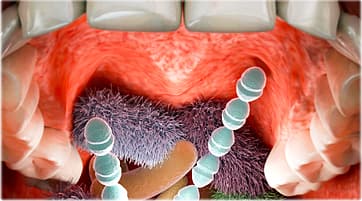
Dental plaque is actually a biofilm, consisting of a thin yet visible film of filamentous microorganisms and particles stuck in between teeth. It is readily felt by the tongue and can even be scraped off by the fingernails though more effective methods of manual removal exist. When allowed to accumulate over the course of a day, it turns to tartar, which is evident as a visible yellow stain on teeth that can be removed only by dentist's instruments.
Image source: medscoopdaily.com
Plaque is a natural result of the normal flora of the mouth and, thus, cannot be prevented. Cosmetic concerns surrounding teeth discoloration aside, dental plaque plays a role in tooth decay and eventual tooth loss. When exposed to high-sugar or high-carbohydrate environments—a particularly common occurrence in modern diets—dental plaque retains lactic acid, which can cause dental caries if exposed to teeth for prolonged periods.

Image source: dental-planet.eu
Thus, the regular removal of plaque and tartar play a key role in lasting dental health. Habitual brushing and flossing on a daily basis dislodge dental plaque while still in its soft film form, whereas annual teeth cleaning visits to the dentist remove accumulated tartar. Fluoridated toothpaste and drinking water also strengthen the tooth and create a surface that bacteria cannot readily cling on to, reducing the amount of plaque that forms and making it easier to remove subsequently.


Domenick Coletti, DDS, M.D., is an accomplished oral surgeon in Maryland. Visit this website for more on him and his practice.

Thursday, November 12, 2015

Does Wisdom Tooth Xtraction Cause Sinus Infection?

Wisdom tooth extraction is a relatively common dental procedure. This process is done when the third molars become impacted, with many dental surgeons recommending early intervention to prevent gum disease and structural misalignment. Despite its general simplicity, wisdom tooth extraction is still considered a major operation and patients need to be reminded of the potential complication that may occur post-procedure. A certain amount of swelling is expected to occur, but this should ease after a few days.

Image source: wikidoc.org

A less common side effect is a condition known as an oral-antral fistula, which happens when an upper molar is taken out. During the operation, a small cavity will be made from the mouth to the sinuses. Most of the time the tissue heals with no ill effects, but there is a possibility of infection. This is a recognized risk factor, and many dental surgeons warn patients to comply with their antibiotics treatment during the entire recovery duration. That said, many patients who have had their upper molars extracted are more likely to develop colds or a stuffed nose; although again, this should disappear within a few days. If the infection becomes severe, the individual may have to visit a general practitioner in tandem with his or her dentist to treat the cold while maintaining the stability of the wound healing.


Wisdom tooth extraction does not cause sinus infection though there are risks that are heavily emphasized before the operation. It is thus important for patients to have a clear understanding of the procedure, possible risks, and after-care.
 
Image source: webdental.com

Dr. Domenick Coletti is a maxillofacial surgeon focused on wisdom tooth extraction. Learn more by following this Twitter account.

Thursday, July 30, 2015

The Link Between Oral Health and Heart Disease

Tooth decay is an oral disease characterized by damage to the outer layers of the teeth. It occurs as a result of eating foods that are high in sugar and carbohydrates, not observing proper dental hygiene, and not getting enough fluoride. It can also be caused by diabetes, smoking, and not having enough saliva.

Image source: thanyapurahealth.com

Tooth decay not only causes unpleasant symptoms such as toothache, sensitivity, and bad breath: It has also been linked to heart disease.

A study published in the British Medical Journal found that people who reported having poor dental hygiene had a 70 percent risk of cardiovascular disease, compared to people who brush their teeth at least twice a day. Some researchers theorize that bacteria from the infected gums can become dislodged and enter the bloodstream. The bacteria can eventually attach to the blood vessels, causing clots to form.

Chronic gum disease often occurs alongside tooth decay and begins when bacteria in plaque build up (gingivitis). If left untreated, gingivitis progresses to periodontitis, a more advanced, destructive form of gum disease.

According to the Academy of General Dentistry (AGD), people with oral health diseases are at a higher risk for heart attacks, while the American Academy of Periodontology reports that individuals with periodontal disease (a more advanced and destructive form of gum disease) are nearly twice as likely to have heart disease than those who don't. Several experts in the field of dental health came together to create a consensus report, published in the Journal of Periodontology and the American Journal of Cardiology, which touches upon the link between oral health and heart disease. One of the main takeaways from the report is that chronic gum disease is a risk factor for coronary artery disease.

Image source: sheknows.com

While the jury is still out when it comes to finding a definite link between tooth decay and gum disease, and heart health, individuals who are concerned about their overall health should not neglect to pay attention to their teeth. Brushing teeth with a fluoride toothpaste at least twice a day, flossing, quitting smoking, and paying regular visits to the dentist can help prevent tooth decay and gum disease and their complications.

Domenick Coletti DDS, MD is one of only 60 oral and maxillofacial surgeous inducted into the American College of Surgeons. For more articles on oral health, subscribe to this blog.

Wednesday, July 1, 2015

Gauging the Risks for Tooth Loss

Although traditionally thought as an effect of aging, tooth loss or edentulism can take place at any age. Everyone from children to adults is at risk of tooth loss, in particular when oral hygiene habits are severely lacking.

Previous generations have been prone to tooth loss at the onset of senior years and recent trends suggest that this pattern may repeat itself among older adults today due to the prevalence of gum disease and high sugar diets, accompanied by poor dental hygiene.


Images source: howstuffworks.com

Risks for tooth loss, however, vary significantly with age. For instance, while tooth decay and poor dental hygiene and healthcare are universal factors afflicting the general population, other causes are functions of the different stages of a person's life. Children, for instance, risk losing baby teeth prematurely to injury or neglect, whereas adults are more likely to increase risks of tooth loss due to smoking or serious health conditions like heart disease and diabetes.

In addition, poor dental health habits also contribute to the risks of edentulism. Some adults and children neglect to go to the dentist as needed out of either financial constraints or fears of the resultant pain accompanying the procedure.


Image source: businessinsider.com.au

The fundamentals of keeping teeth health for a lifetime include ingrained habitual good dental hygiene and regular dental checkups and recommended procedures. Preventing tooth loss is a lifelong commitment that can pay off well into the golden years.

Dr. Domenick Coletti is one of the head surgeons at Central Maryland Oral and Maxillofacial Surgery. Visit this website for more on the practice's many oral health procedures.

Saturday, May 9, 2015

REPOST: Seniors with dementia eased into dental care

Seniors with dementia are a very difficult patient group to treat, dental care-wise. They easily get confused, may fail to follow instructions properly, and are confronted with other health problems. Read the following article to know how dentists are addressing this challenge:


Video source: cbc.ca


When Monte LeVernois is wheeled into a dental clinic at a long-term care home in Halifax, saying "Good morning" to him provokes no response. He has dementia and it's not clear what he understands. But his dentist is equipped to deal with the challenge.

Dr. Stu Kirby is the dentist who makes biweekly visits at Northwood, the largest long-term care home in the Maritimes. He provides dental care to the residents, many of whom have dementia

"It's a very challenging population to work on for a number of reasons," says Kirby.

Depending on the stage of dementia, patients may refuse care or even bite Kirby, mistaking what's in their mouth as food. He doesn't blame the patients.

"They are no longer able to follow instructions. They're confused. Things are out of the ordinary for them, which makes them very, very difficult. So the key is to get in there early. Find the problems. Deal with the problems when things are able to be taken care of."

Sometimes though, it's not possible to fix a patient's dental problems before his or her dementia has taken hold. Kirby then relies on techniques he's learned.

"You've got to be very careful in terms of how you're dealing with these patients in terms of the way you speak to them, your hand movements, your gestures. You want to make sure that they're always feeling secure and comfortable."

Sedation is an option for some patients who are particularly anxious or unco-operative. But the frail health condition of dementia patients sometimes precludes sedation.

Kirby takes advantage of the newer design wheelchairs, many of which tilt back, so he doesn't have to cause distress by moving the patient out of his or her wheelchair.

Kirby says serious — even deadly — health problems can begin in the mouth, including in dementia patients.

"You can have life-threatening infections which travel from the floor of the mouth to the brain and so people think, you know, it's just a minor abscess. Well, a minor abscess can turn into a significant problem."

Dr. Mary McNally, a professor at Dalhousie University's School of Dentistry, is passionate about improving dental care for seniors at the school's elder care clinic. She spearheaded a large research and training project, called Brushing up on Mouth Care, which outlines what dementia is and how it can affect a patient's behaviour during dental care visits.

"I think you just need to stay calm. I mean, these people are sick. They need your help. They're not doing things to cause a problem. They're doing them because they have a cognitive impairment and are declining."

McNally says a reality we need to understand about dementia is that these patients perceive their surroundings in a very different way.

"You might have someone coming into your dental operatory and they're walking over a black mat and they might think it's a puddle of water. They might not recognize what the chair is. So what's manifesting as natural losses associated with dementia is, in fact, them responding to the reality in their world … Their behaviour is a result of their lived experience. That's what makes them challenging. We don't understand what those realities are for them."

Her research and training document includes tips for dealing with dementia patients, such as:

-Set a routine time and place for oral care.
-Have the caregiver identify him or herself and what he or she is going to do.
-Use visual or verbal cues, short sentences and simple words.
-Maintain a calm and quiet atmosphere.
-Use positive reinforcement, such as nodding the head or giving a thumbs up.
-Provide oral care after a meal when a patient is most content and co-operative.
-Distract the patient by singing or giving them something to hold, such as a toothbrush.
-Put the toothbrush in their hand and guide it with your own to encourage toothbrushing.

McNally says it's also useful for dentists or caregivers to mimic an action. In other words, don't just say, "Open your mouth." You have to open your own mouth and demonstrate.

Shift away from dentures

McNally thinks consistent dental care is important given the prevalence of dental diseases such as cavities among people with dementia in long-term care, as well as the decreasing incidence of dentures among seniors generally.

"The aging population is actually aging with more of their natural teeth. So now folks are going into residential care. Even a generation ago, they mostly had dentures. Well, now we know that they mostly have natural teeth. So that has a huge impact on the care system because the care system and care providers are having to adjust to this whole level of managing an aspect of health that they didn't have to manage before."

McNally says it's clear this is becoming an issue of wider concern. Her research and training document and videos are available online and gets hits from Europe, Australia, India and South America as well as Canada and the U.S.

Gail MacDougall understands the challenges of getting a frail senior with dementia to receive dental care. Her 95-year-old mother has dementia but MacDougall says it was never a question as to whether her mother would go for regular dental visits, not only for her health but also her looks.

"My mother loves her clothes. She likes to look well. I think appearance is part of it, as well as nutrition and overall health. You don't want unnecessary infections in a body that's already compromised."

Back at the dental clinic at Northwood, Dr. Kirby finishes the procedure on LeVernois. It's not clear LeVernois has any clue what has just happened to him.

Kirby says a little compassion goes a long way.

"Many of us will be in the same situation so I think it's important that you just keep calm and do what you can."

Dr. Domenick Coletti practices the full scope of oral and maxillofacial surgery. To learn more about his expertise, click here.

Friday, April 10, 2015

REPOST: The rise of DIY dentistry: Britons doing their own fillings to avoid NHS bill

Necessity is the mother of invention and this may be true for the manufacturers of over-the-counter dental kits which are becoming a norm for those in the far end of health distribution curve in Britain. The Guardian has more about Britain’s rising DIY dental care industry.

Image Source: theguardian.com
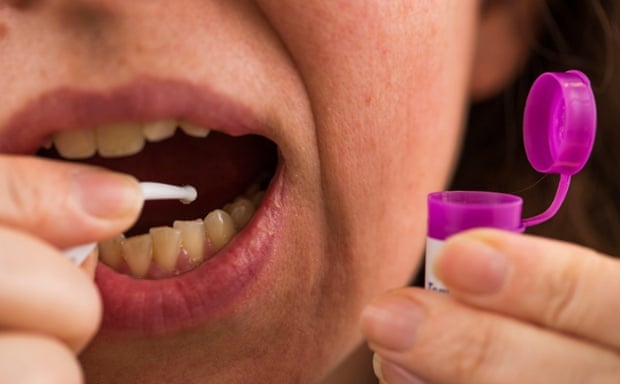
Home dental treatment. Picture posed by a model.

A missed appointment and resulting £25 charge led Alex to become a DIY dentist. Using an emergency over-the-counter dental first aid kit, bought from a pound store, the 38-year-old building engineer from Glasgow began fixing his own teeth rather than run up bills. “I couldn’t justify going and getting my teeth out when we can’t afford nappies,” he said.

His partner, Tilly, gave up her teaching job when their eldest son was diagnosed with leukaemia five years ago. When the recession hit, Alex found work hard to come by. A jobcentre interview clashed with an appointment to fill some cavities, and Alex concluded that the family could not afford his dental work.

In a country that prides itself on free healthcare, DIY dentistry is an almost Victorian notion of hardship. But poverty and inequality – and the increasing stigma attached to both – are blocking access to healthcare for the poorest people in the UK, and grim tales of a black economy are on the rise.

“DIY dentistry is fairly common round here,” said Emma Richardson at the Star Project in Paisley, Renfrewshire. “They sell a lot of those first aid kits – you can buy them in Boots and Asda as well, and you’ve got people taking care of their whole family’s teeth with them.” The kits, which can be bought for a few pounds, are intended as a temporary remedy for lost fillings, caps and crowns.

In a survey of local people, the Star Project, a church-based community organisation, found people buying DIY kits online from pound shops or even from friends to do their own fillings. One client told Richardson: “My uncle takes care of his teeth and everyone in his family.”

The project also found people trading unfinished courses of sedatives, anti-depressants, beta blockers and antibiotics. “There’s a mixture of reasons,” said Richardson. “Some people only have pay-as-you-go phones – if they run out of money, they can’t make calls. They have to wait until the community centre is open at 9.30am to use the phone, by which time it’s too late to book a [doctor’s] appointment. Or they feel embarrassed to fill out the form [for free dental treatment] and prefer to get help from friends who don’t judge them as scroungers. People will maybe take half a course of a drug and keep some of them in case something comes back. If one of the neighbours or friends needs them, they’ll help out.”

Accurate figures on the extent of DIY dentistry are hard to find. One of the biggest seller of dental first aid packages, DenTek, shifts more than 250,000 kits a year, but there is no research on how they are used. In 2012, research from the oral health charity, the British Dental Health Foundation, found that one in five Britons said they would remove a tooth themselves or ask a friend to do so if they could not afford dental treatment.

The Department of Health said reports of DIY dentistry were anecdotal. “Official figures show that more people than ever are getting NHS dental treatment, which is completely free for almost everyone receiving income-based benefits and subsidised for low earners,” said a spokesperson. However, according to NHS UK, people receiving incapacity benefit, contribution-based jobseeker’s allowance, contribution-based employment and support allowance, disability living allowance, council tax benefit and housing benefit, among others, are not entitled to free treatment without other qualifying benefits.

Figures, as opposed to anecdotal evidence, on DIY dentistry and the black health economy are elusive, said John Wildman, professor of health economics at Newcastle University, because health data is gathered by surveying patients or GP surgeries.

“People at the lower end of the distribution curve – on big housing estates in the north-east, for instance – are effectively completely unreported,” he said. “They don’t take part in surveys and they don’t go into GP surgeries. Which is why you have a situation where people in the north-east have gaps in their teeth and are resorting to DIY dentistry. There’s research from the US that shows poor teeth hinder your chances of getting a job and getting married – the two fundamentals for building a stable life.”

Image Source: theguardian.com

Alice – one of the Star Project’s service users – resorted to popping an abscess with a fork because of worry about the costs of treatment. Dental examinations are free in Scotland and Northern Ireland, although charges are made for treatment. The cheapest, a filling, costs £7.20 with prices reaching a maximum of £384 for the most expensive treatments. In England and Wales, NHS dental examinations cost £18.50 and £13 respectively - which includes cheaper treatments - with mid-ranking treatments costing £50.50 and £42 respectively and the most expensive treatments costing £219 and £180.90 respectively.

“The majority of people would think these prices are relatively reasonable if you need work doing,” said Karen Coates, of the Dental Health Foundation. “It’s about prioritising £50. They probably would go and get their nails done or their hair, and don’t consider that the dentist is high enough on their need list, whereas for other people it is a priority to go regularly to the dentist.”

All the costs were unaffordable for Alice, whose partner had been sanctioned for arriving late at a jobcentre interview, leaving the couple with about £65 per week. Out of that, they paid £10 for gas and £10 for electricity, plus bus fares to the jobcentre. “When you add in TV licence and phone calls you’ve got £25 per week, which has to cover food,” she said.

Even an NHS dentist would have made a big hole in her meagre budget – assuming there is an NHS dentist in the area. According to Jack Toumba, professor of paediatric dentistry at Leeds University, oral health inequality is particularly bad because dentistry has in effecti been privatised. Although there are dental practices offering NHS care, they are increasingly hard to find.

“We’re finding patients who’ve rung practices across the north asking to register as an NHS patient only to be told the NHS lists are full and they can only register as a private patient,” he said.

He cites the case of a 40-year-old HGV driver who used the plastic mirror, forceps and probe from an over-the-counter dental kit to clean and prepare a cavity before plugging the hole withQuikSteel, a potentially toxic steel reinforced epoxy putty used to fix engines. “His local dentist had discontinued NHS dental services and he couldn’t afford private dental care or find another NHS dentist. He’d treated the tooth twice by himself in the three years before he came to see us.”

The imbalance in the UK’s oral health is stark. Research published in the Journal of Dental Research last autumn found that poorer Britons have, on average, eight fewer teeth – a quarter of a full adult set – than the richest by the time they reach their 70s.

Patricia Lucas, at Bristol University’s school for policy studies, said data from the city’s dental hospital showed children from disadvantaged backgrounds were significantly more likely to have early tooth decay and to need teeth extracted under general anaesthetic. In 2013 – the most recent data available – 721 children had decaying teeth extracted under general anaesthetic, the majority from poorer wards in the city. Of those, 155 were below the age of five.

Now Dentaid, a dental charity which works to improve oral health in the developing world, is preparing to launch its first UK-based project. The organisation, which offers portable dental surgeries to struggling communities in Uganda, Malawi, Cambodia and Romania, is considering mobile surgeries in the UK, or working with existing practices to pay for transport and treatment.

“It’s extremely hard for the homeless, or people who haven’t got a permanent residence, or people coming out of prison to access dental treatment,” said Andy Evans, Dentaid’s strategy director. “Homeless people normally only turn up at a dentist when they are in extreme pain – when fillings or tooth extraction are needed. They don’t do regular visits to the doctor and the only painkiller they have is alcohol so sometimes they are in no good condition to be treated when they most need it.”

Image Source: theguardian.com

Inclusion Healthcare is a Leicester-based social enterprise that cares for around 1,000 single homeless adults. One, Mary, struggled with addiction for years, fell out with her family, ended up on the streets and was forced into casual prostitution. By her mid-30s she had lost most of her teeth through being attacked, , falling and simply struggling to find somewhere to clean her teeth.

But as she rebuilt her life and her self-esteem, her ruined mouth damaged her chances of a job and of finding new relationships. Eventually, a Leicester dentist took her on and replaced all her teeth with dentures. The change is startling. She walks taller. She smiles with confidence.

“We don’t see teeth as being a crucial part of the health service,” said Wildman. “We see it as a luxury. But toothache stops kids sleeping and concentrating in school, a bad smile damages your chances of getting a job … and as it gets harder and harder for disadvantaged people to receive good dental care. The best way to resolve health inequality is to make social mobility possible - and someone’s smile is not a luxury add-on to that.”

Dr. Domenick Coletti leads a team of surgeons at the Central Maryland Oral and Maxillofacial Surgery P.A., serving patients with high-quality dental care treatments ranging from dental implant surgery and corrective jaw surgery to wisdom tooth extractions. Log on to this website to learn more about the Columbia, Maryland-based doctor.

Tuesday, February 17, 2015

REPOST: Too old for cavities? Think again, dentists say

Dentists warn that the risk for tooth cavities rise as people age. The article below discusses the factors that can increase a person’s risk of getting tooth cavities and the ways to maintain a tooth-friendly diet which is key to overall dental health.

Image Source: usatoday.com
It may come as a surprise, but even older adults can still get cavities.

Alice Boghosian, a dentist in Niles, Ill., says she was working on an 87-year-old patient recently when she discovered a cavity and exclaimed, "You have got to be kidding me."

Boghosian, a consumer adviser for the American Dental Association, was not surprised by the patient's age. She was surprised because the patient was her own mother. "Luckily, I was able to save the tooth," she says — something she cannot always do for her older patients.

Adults of all ages need to know, dentists say, that cavities are not just for kids. The risk can even rise as we age.

"It's as much a problem in seniors as it is in kids," says Judith Jones, a professor of general dentistry, health policy and health services research at Boston University.

It's also a more persistent threat now that most aging adults keep at least some of their teeth. Just 50 years ago, more than half of people over age 65 in the United States had lost all their teeth and needed dentures, Jones says. More recent data find 15% of people ages 65 to 74 and 22% of those over 75 are toothless, according to the federal Centers for Disease Control and Prevention.

But those with teeth don't always have healthy teeth: more than 20% of people over age 65 had untreated cavities in 2008, CDC says. Poor people, men and non-whites were especially at risk.

Cavities can lead to pain, infection and tooth loss. They also can come as quite a shock for aging adults, says Christine Downey, a clinical assistant professor of dental ecology at University of North Carolina at Chapel Hill.

Downey, who also is on the adjunct faculty of Duke University, says: "Many a person has come into my office saying, 'I always had really nice teeth and now I'm getting cavities. What's going on?' "

Here are some of factors that might be at play:

• Diet — especially sugar. Sugar is bad for your teeth whether you are 7 or 70. When you eat or drink sugar, bacteria in your mouth produce acid. That acid breaks down the protective enamel on teeth, allowing decay. Eating acidic foods, such as citrus fruits, also can damage enamel.

• Dry mouth. It's a side effect of more than 500 medications, including many commonly used by older adults, the dental association says. "Our saliva has a cleansing, anti-cavity effect," Boghosian says.

• Recessed gums. When you are "literally long in the tooth," decay is more likely to reach tooth roots, Jones says.

• Delayed care. Many people lose their dental insurance when they stop working and then stop going to the dentist, Jones says. Dental care is not covered by Medicare; Medicaid coverage varies state to state.

• Cognitive and health challenges. People with dementia may forget to brush or "don't care about it," and caregivers may not take up the slack, Downey says. Lost dexterity and other physical problems also can get in the way of dental hygiene, she says.

Cavity prevention, at any age, means brushing with a fluoride toothpaste at least two times a day, for two minutes at a time, plus flossing and regular dental visits, dentists say.

Some people need to take extra steps, such as using stronger prescription fluoride toothpastes and oral moisturizing products, Downey says.

Image Source: usatoday.com
Foods that are sticky and sweet, such as these Lifesavers, can be promote tooth decay at any age.

And everyone can benefit from watching what they eat and drink. Here are Boghosian's tips for a tooth-friendly diet:

• Recognize sugar in all its forms. Scan labels for honey, corn syrup, dextrose, fructose and other sweets, she says: "It's all sugar."

• Watch out for sticky foods. Dry fruit, caramels and other sticky sweets can promote decay. Even bread or crackers that stick to teeth can convert to sugar and cause trouble.

• Don't nurse sweet drinks or candies. Sipping a sweet tea or sucking hard candy for hours keeps your teeth bathed in sugar.

• Limit acidic foods. Citrus fruits and juices count. So do sodas, even if they are sugar-free.

• Drink water, and make it fluoridated tap water when you can. Swish water around your mouth after eating sweet, sticky or acidic foods.

• Keep up your calcium intake, with milk, yogurt, cheese and leafy greens. That can help rebuild enamel.

Dr. Domenick Coletti is a dental surgeon who currently practices at the Central Maryland Oral & Maxillofacial Surgery, a facility that provides expert oral and maxillofacial surgery procedures including oral pathologies and treatments for facial injuries, facial pain, and fractures. Click here to schedule a consultation or to learn more about the clinic’s dental services and procedures.

Tuesday, November 25, 2014

REPOST: Long-in-the-Tooth Dental Advice

According to Oral Health America, many people over age 65 lack dental insurance. The New York Times offers the following advice for seniors on how to take care of their oral health when paying for dental care out of their pockets.

Image Source: nytimes.com

Terry O’Brien, 73, a retired administrative assistant in Billerica, Mass., recently had to make a tough decision about her dental care.

“I always took care of my teeth,” she said. But even so, she was told she needed a crown — an artificial cap — at a cost of about $2,000.

Since she and her husband lack dental coverage, she opted for a less expensive filling. She worries, however, about how she will fund dental care long term. “I’ll make 100, I bet,” she said. “But I wonder how long my teeth will last.”

Older Americans face such situations often, because many people over age 65 lack dental insurance. Only about 10 percent of retirees have dental benefits from their former employer, according to Oral Health America, a nonprofit advocacy group.

And 22 percent of Medicare beneficiaries had not seen a dentist in five years, the Kaiser Family Foundation reported in 2012. The main factor is the cost of care, said Tricia Neuman, a Medicare policy expert with the foundation.

Traditional Medicare, the federal health program for older adults and people with disabilities, doesn’t cover routine dental care or dentures. Some Medicare managed care plans offer coverage, but it is often limited to preventive care like cleanings. Medicaid, the federal-state program for low-income people, may cover some dental care for adults, but benefits vary by state. Individual plans are available, but they typically cap payments at low levels and may not cover any advanced treatments, like implants to replace lost teeth.

That means most older Americans must pay for dental care out of their pockets.

According to 2013 data from the American Dental Association, which surveyed private dentists, the average cost of a basic examination is about $45, while a cleaning is $85. X-rays are another $27; a tooth-colored filling is $149, while a silver filling is about $125. Costs vary widely, however, depending on the market.

Artificial implants average about $4,000 per tooth, the A.D.A. found. But the bill can be much higher, after adding anesthesia and related treatments like bone grafts. Implants involve inserting a metal screw into the jawbone to serve as the foundation for a replacement crown.

Implants are an economic impossibility for some patients, said Beth Truett, chief executive of Oral Health America. But, “If they can afford it, they are a great solution to maintaining not only that tooth, but the teeth around it.” A full set of teeth for an adult is 28 (32 if you still have your wisdom teeth), and you should have at least 22 teeth to eat properly, she said. Once a tooth is lost, nearby teeth bear additional strain and it gets more difficult to chew; that leads to a cycle of poor nutrition and further tooth loss, she said.

Ed Decker, 69, a retired hospital pharmacist in Ashland, Mass., said he had poor dental health his entire life and had budgeted to make dental care a priority. “I think my family was born with marshmallows instead of teeth,” he said. Ultimately, he lost so many teeth he couldn’t chew, and had 10 implants, at a total cost of about $50,000. He was able to pay for it, he said, because of successful investments recommended by his financial adviser. “When you put in an implant, it’s like having a natural tooth,” he said.
Continue reading the main story Continue reading the main story
Continue reading the main story

Judith Jones, a professor at Boston University Henry M. Goldman School of Dental Medicine and an authority on dental care for older people, recommends that after age 65, the bare minimum level of care needed is a professional examination and cleaning at least once a year. Poor mouth health has been linked to other ailments, like heart disease and diabetes.

Patients should brush at least twice a day for two minutes, she said. If older people aren’t able to do it themselves, family members or caregivers should assist them. Basic mouth hygiene, including daily flossing, is important to maintain healthy gums and remove tartar and plaque, which traps bacteria and can lead to infections.

People also need to be aware of the possibility of being pressured into unnecessary treatment. To find a reputable dentist, you may want to ask your doctor or your friends for a referral. And be skeptical of treatment that sounds overly aggressive. “If you go in and they want to replace every filling in your head, you should get a second opinion,” said Athena Papas, co-head of geriatric dentistry at the Tufts University School of Dental Medicine.

However, she noted, patients who haven’t been to the dentist for several years may have a real need for restoration work, particularly if they are on multiple prescriptions. Some medications can cause a reduction in saliva, which can promote development of cavities.

One way to limit costs for replacement teeth is to have implants on the lower jaw, and use dentures to replace upper teeth, said Dr. Papas; it’s easier to keep upper dentures in place.

Older adults on tight budgets generally should avoid cosmetic treatments like teeth whitening, dentists say. But many dismiss the idea that older people don’t need to spend on oral care because they are near the end of their lives. Patients who are in their 80s, but who are fit and have a healthy lifestyle, can benefit from technologically advanced dental care “because it is estimated that they will have another 10-15 years of life span,” Helena Tapias-Perdigón, an assistant professor at the Baylor College of Dentistry at Texas A&M Health Science Center, said in an email.

Some dental schools offer discounted treatment, although some require deposits and may have waiting lists. The American Dental Association lists accredited schools on its website.

You can also ask dentists if they offer a payment plan. But read the fine print of any discount program, said Jim Quiggle, a spokesman for the nonprofit Coalition Against Insurance Fraud, since some programs offer little in the way of true savings.

Dr. Domenick Coletti, D.D.S., is a nationally recognized surgeon and is one of only 60 oral and maxillofacial surgeons inducted into the prestigious American College of Surgeons. Know more about the surgeries he performs on this website.

Tuesday, August 26, 2014

REPOST: 7 Ways to Save on Dental Care

When it comes to dental care, a simple brushing and flossing can go a long way in keeping the teeth healthy while saving more money on emergency treatments and procedures. US News provides the following tips to save on a trip to the dentist.

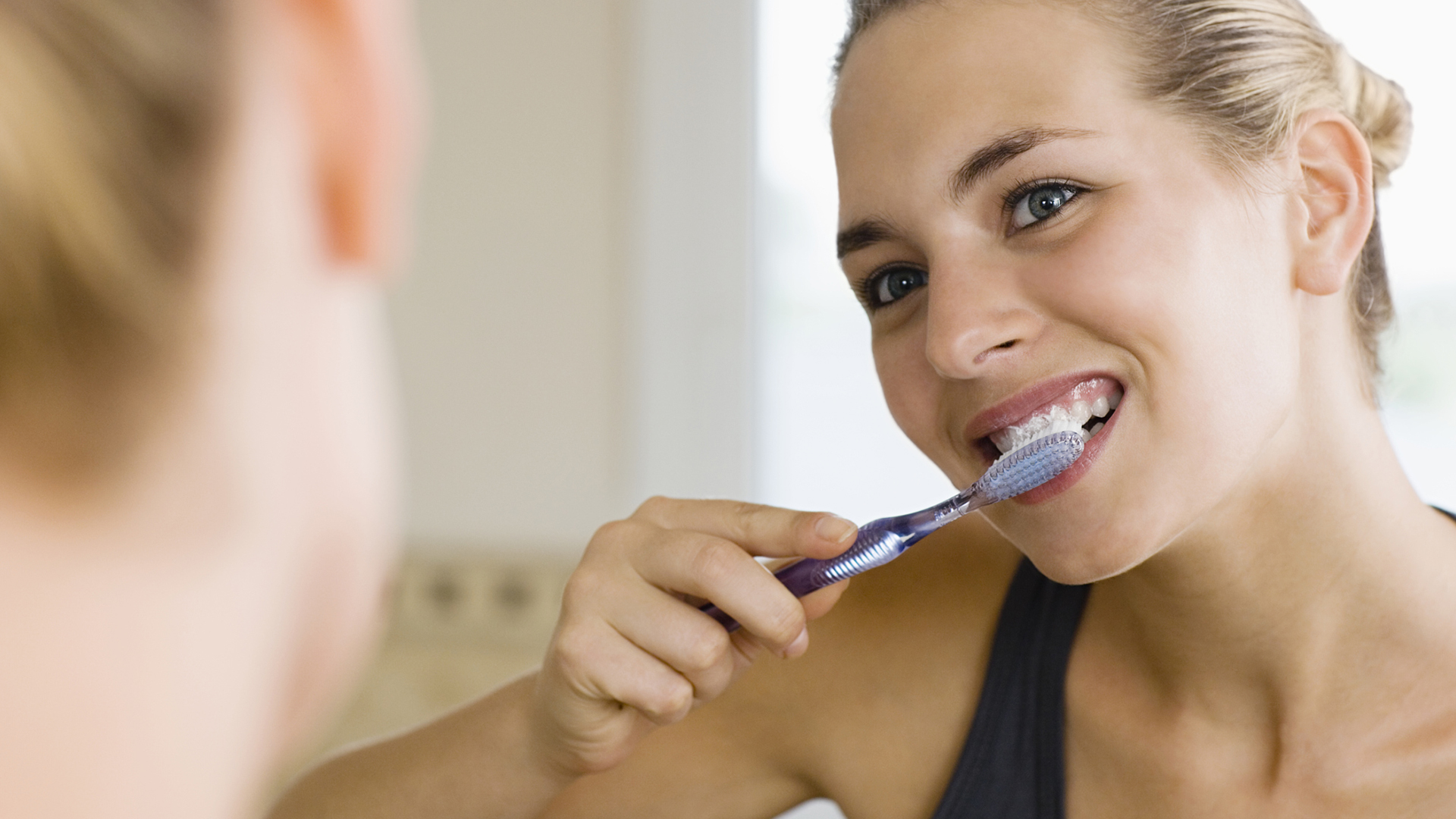
 A woman brushing her teeth in the bathroom and looking at herself in the mirror.
Image Source: money.usnews.com

Don’t have dental coverage? You’re in good company.

The National Association of Dental Plans reports that in 2012, more than 40 percent of Americans lacked dental coverage. The Affordable Care Act now requires that all individual and small group market plans cover pediatric oral health services but not adult oral health.

Even for those who do have dental coverage, most plans only cover up to $1,000 per year – a maximum that hasn’t increased since the 1970s, according to Matt Messina, a dentist in Cleveland, Ohio. “Even though the cost of care has increased, [the maximum] hasn't changed,” he says. “In the 1970s, that would generally take care of anything other than a massive injury.” Nowadays, a single crown could easily max out those benefits, potentially requiring you to make up the difference out of pocket.

These seven tips could help you take a bite out of dental costs.

1. Commit to preventive care. If you don’t have dental coverage, paying out of pocket for cleanings could save you money down the line. Barring that, make sure you’re still brushing and flossing carefully. “The absolute cheapest way to make your own dental experience better is to commit to brushing, flossing your teeth and eating a healthy diet,” Messina says. “Those are pennies a day that breed dollars of savings later on. The cheapest cavity is the one you never get.”
 
2. Ask about discounts. Some dentists offer services on a sliding scale for patients with financial need or discounts for upfront payment in full. Kendra Lawyer, office manager for Carothers Parkway General Dentistry in Franklin, Tennessee, says her office offers a 20 percent discount for patients without insurance who pay cash upfront. If you have multiple children who need braces, talk to your orthodontist about possible discounts for multiple patients. David Osherow, an orthodontist in Darien, Connecticut, says he even gave a discount when he treated triplets and quadruplets who needed braces. 

3. Look into financing. Some dentists offer low- or no-interest financing plans. Osherow’s office, for instance, lets patients create a budget plan and pay over 15 to 20 months instead of covering orthodontia all at once. Even if there’s no interest, make sure you can realistically afford the payments, as missed payments may trigger a higher interest rate. 

4. Get a treatment plan in writing. Unlike a restaurant, where you can see the prices listed on a menu, dental care doesn’t have the same level of transparency. Ask for a treatment plan in writing with an itemized list of costs so you know what to expect, and talk through these costs with your dentist or orthodontist to see if there might be less-expensive options. Orthodontists now offer many types of braces with differing costs. Braces hidden behind the teeth are the most expensive option, followed by Invisalign and ceramic braces, Osherow says. “You can save money by going with traditional metal brackets,” he explains. Materials for fillings or crowns may have different associated costs as well.

5. Visit a dental school. If you live near a dental school, find out if it offers free or inexpensive cleanings to the public. Messina says students perform work “under the supervision of licensed dentists, so you'll get a high quality of dental work done.” However, the cleaning may take several hours (or even multiple visits), because students are expected to take their time and check every inch of your mouth carefully. “You’re trading time for money,” Messina explains. 

6. Use flexible spending dollars. If your employer offers a flexible spending account, you can fund the account with pretax dollars to pay for out-of-pocket medical costs like dental work. However, you need to predict your costs for the year in advance so that you don’t overfund the account and wind up losing unused money unless your employer offers a grace period or carry-over option. Patients with FSAs may especially benefit from treatment plans, Messina says. “If we can look at long-term planning, people can fund their FSAs and prepare in advance,” he says. 
 
7. Time elective procedures. FSAs max out at $2,500 for the year, and most dental plans max out at $1,000. For pricey dental procedures that require multiple steps, you may be able to space out the steps over several months to max out dental coverage and FSA dollars. As Lawyer points out, most benefits reset at the beginning of the calendar year, which works out for some procedures. “We could place implants in the summer or fall,” Lawyer says. “Those need time to heal and integrate, so most oral surgeons are fine if you wait until January [to place the permanent crown].”

Finally, here are two strategies that many dentists don’t recommend: dental tourism and Groupon vouchers. Traveling overseas could save you money on pricey procedures like implants, but it carries some additional risks (not to mention the added travel costs). “If you are going abroad for major surgical procedures, what happens if you have a complication while you’re there?” Messina asks. “Or worse, when you get back?” Although many countries do have highly qualified dentists, he also points out that American standards governing dentists don’t extend beyond the U.S. border, so you may not have much recourse in court if things go wrong.

Coupon websites like Groupon have been controversial in medical and dental circles because of ethical concerns around fee-splitting between the company and dentist. Also, if you jump from dentist to dentist based on who’s offering a Groupon to new patients, you won’t get the same continuity and level of care you’d get from a dentist who knows you and your teeth. Plus, there’s the concern that a bargain-basement provider might be cutting corners. “You don't want to be looking for bargains on parachutes,” Osherow says. “I wouldn't be looking for one in orthodontics, either.”

Domenick Coletti, DDS, is a dental surgeon dedicated to providing patients with the highest quality of care. Follow this Facebook page for the latest news on oral health.

Wednesday, July 16, 2014

REPOST: Teeth problems are top reason for young children’s hospital admissions

In Britain, dental records have shown that 25,812 children ages 5 to 9 have been admitted to the hospital for multiple tooth extractions within the span of one year. This article reports on how the figures might be pointing to a correlation between diet and tooth decay in the demographic in question.

One paediatric dentistry consultant said it beggared belief that
children's diets could 'produce such a drastic effect'.

Image Source: theguardian.com
The number one reason for primary-school-aged children being admitted to hospital is to have multiple teeth taken out, newly released figures show. 
The number of children aged from five to nine needing hospital treatment for dental problems rose by more than 3,000, according to figures analysed by the Health and Social Care Information Centre. 
The research, published in the Sunday Times, has been described as shocking by a dentistry professor and a consultant in paediatric dentistry said it "beggars belief".
Provisional figures for the period 2013-14 show that 25,812 children from that age group have been admitted to hospital to have multiple tooth extractions, up from 22,574 three years previously. 
Kathryn Harley, former dean of the faculty of dental surgery at the Royal College of Surgeons, told the paper: "We have children who require all 20 of their baby teeth to be extracted. It beggars belief that their diets could produce such a drastic effect." 
Harley said many of the children presenting with problems could need four or even eight teeth out, with "quite a few" having as many as 14 extracted. 
Some dentists observe how decay progresses in baby teeth because there is uncertainty about the effectiveness of fillings, said Prof Jimmy Steele of Newcastle University. 
"A lot of dentists are unhappy about taking out teeth generally," he told the paper. "They certainly don't like to take kids' teeth out." 
The number of children aged from newborn to four admitted to hospital to have teeth out has also increased, from 8,060 in 2010-11 to a provisional figure of 8,758 in 2013-2014. 
Other key findings show that one in 20 (5%) girls aged from 15 to 19 being treated by a consultant was in hospital as a result of intentional self-harm, while boys were more likely than girls to have been injured in an assault (2%). 
Similar differences were also apparent for 10- to 14-year-olds, but they were more pronounced for the older age group. There were more similarities in children up to the age of nine. 
There were a total of 2.5m finished consultant episodes (FCEs) in the 12-month period from July 2012 to June last year for children aged up to 19, a very small increase of 0.1% on the previous 12 months.
Domenick Coletti, DDS, M.D., performs both corrective surgical and maintenance procedures to ensure the oral and dental health of his patients within and around the Maryland area. For dental health updates and tips, subscribe to this Facebook page.

Monday, April 21, 2014

REPOST: Dental laser from Convergent Dental gets funding, raves

Convergent Dental of Natick has recently raised $21.5 million in funding for its Solea laser, a pain-free, drill-free, needle-free device that allows dentists to perform surgery better. This article on The Boston Globe discusses details as the company now prepares for the laser’s broader commercial release.
Dr. Mark Mizner of Commonwealth Dental Group in Boston performed the first
cavity filling using the Solea laser last year on Convergent chief executive Mike Cataldo.
Image Source: bostonglobe.com
For decades Dr. Ronald Plotka had to coax patients into getting over their fear of the most basic tool of his trade: the drill.

But lately people needing oral care have eagerly sought out the Swampscott dentist because he is among the early adopters of a new tool: the Solea laser, made by Convergent Dental of Natick.

In many cases, the laser means a needle-free, pain-free, drill-free trip to the dentist, as Plotka and others use it in place of a drill to perform routine procedures such as filling cavities and shaving teeth to be fitted for crowns.

“Patients love it,” Plotka said. “It eliminates the fear factor, which helps us do better preventive dentistry because people aren’t going to have that fear of the drill or the needle that they used to have.”

This week, four months after bringing the Solea laser to market, Convergent raised $8 million in venture capital, led by Long River Ventures of Boston, bringing total investments in the three-year-old company to $21.5 million.

The Solea, which retails for $85,000, is the first dental laser to gain approval from the Food and Drug Administration for use on both hard tissue, such as teeth, and soft tissue, or gums.

The laser’s rapid pulses of green light — as many as 10,000 per second — not only make cuts but also have a numbing effect, enabling dentists to skip anesthesia in 96 percent of cases, according to Convergent surveys of clients. Patients often feel a slight cold sensation but typically report no pain.

Lasers are not new to dentistry. They are often used to whiten teeth, perform biopsies, and harden fillings.

Convergent also has competition in the quest to replace drills, most notably from Biolase of Irvine, Calif., which makes a laser device called the Waterlase. The Waterlase makes cuts by vaporizing water particles in a targeted area of a tooth and then chipping away at the weakened enamel.

Convergent’s Solea, on the other hand, beams light at a precise wavelength that vaporizes a mineral called hydroxyapatite — a major advantage, according to the company, because tooth enamel is roughly 90 percent hydroxyapatite and only about 5 percent water.

Plotka has used both the Solea and the Biolase at his practice, North Shore Center for Cosmetic Dentistry, and said he prefers Convergent’s device because it enables him to work faster and with greater precision.

The Solea is a finalist in the dental instrument category of the 2014 Medical Design Excellence Awards, a global competition for medical technology. The Waterlase won a bronze medal in the same category in 2012.
Convergent designed the Solea to mimic the look and feel of a drill. Its handheld arm resembles that of a drill, and it even operates the same way — with a foot pedal to control cutting speed.

Convergent chief executive Mike Cataldo said he was so confident dentists could easily transition from the drill to the Solea that he volunteered to be the first test patient last year. Dr. Mark Mizner at Commonwealth Dental Group in Boston used the laser in place of a drill to fill a cavity in one of Cataldo’s teeth and has made the device a staple of his practice since then.

“Here’s the typical reaction of patients: They get up out of the chair, and they go, ‘Oh my God. That was amazing,’ ” Mizner said. “They can’t believe that I just drilled their tooth with no shot and it didn’t hurt.”

The Solea is not a total replacement for the drill — at least not yet. It cannot be used to perform root canals or implants, and in one in 10 cases dentists say they finish laser procedures with a drill, often to smooth rough edges. Even then, however, anesthesia is usually unnecessary because the laser’s numbing effect lingers, much like Novocain itself.

Few dental practices have the new laser, but Cataldo said the new venture funds should help Convergent market the Solea and gain wider adoption. To all the dentalphobics out there, he added that a directory of offices using the laser will be posted on the Convergent website soon.

“What we’re trying to do,” he said, “is take the dread out of dentistry.”
Dr. Domenick Coletti is keen on adopting new dental technologies and techniques that can further enhance his practice at Central Maryland Oral and Maxillofacial Surgery. To learn more about the clinic’s dental procedures and services, visit this website.

Thursday, March 27, 2014

REPOST: Examining embryonic teeth prevents problems in later life

A new study being discussed in The Digital Journal shows how a groundbreaking imaging technique could help prevent future teeth and jaw problems using embryo samples.
Image Source: digitaljournal.com

A new 3D imaging technique shows how to prevent teeth and jaw problems through early intervention. This is by identifying incoming wisdom teeth, crowded teeth, and malocclusion in the embryo. 
 
Working with scientists on the Biomedical Imaging and Therapy (BMIT) beamline at the Canadian Light Source synchrotron, a research group from the University of Saskatchewan observed, in microscopic detail, the 3D organization of young teeth within the jaw. The findings lay the groundwork and could have future impact on oral health-related quality of life. 
 
To test out the method scientists used a synchrotron-based micro-computed tomography (micro-CT) imaging technique, according to the Oral Health Group. With the method, silver-stained mouse embryo samples showed even the very earliest stages of tooth development. This type of 3D imaging technique for teeth is rare because of the technical specifications required to maximize the scanner so that it can capture such tiny, translucent and jelly-like tissues. The success on animal models will lead to trials on humans next.
 
The research was recently published in The Anatomical Record. The paper is titled "Technique: imaging earliest tooth development in 3D using a silver-based tissue contrast agent."

The study was undertaken at the Canadian Light Source. This is Canada’s national centre for synchrotron research and a global centre of excellence in synchrotron science and its applications. Located on the University of Saskatchewan campus in Saskatoon, the CLS has hosted 1,700 researchers from academic institutions, government, and industry from 10 provinces and territories; delivered over 26,000 experimental shifts; received over 6,600 user visits; and provided a scientific service critical in over 1,000 scientific publications, since beginning operations in 2005.

 Support for this research was provided by the Natural Sciences and Engineering Research Council of Canada and the Canadian Institutes of Health Research - THRUST program.
Dr. Domenick Coletti is an expert oral and maxillofacial surgeon practicing in Maryland. Learn more about the latest procedures and treatments of oral health problems by following this Twitter account.